


Tree-ripened, honey-sweet figs
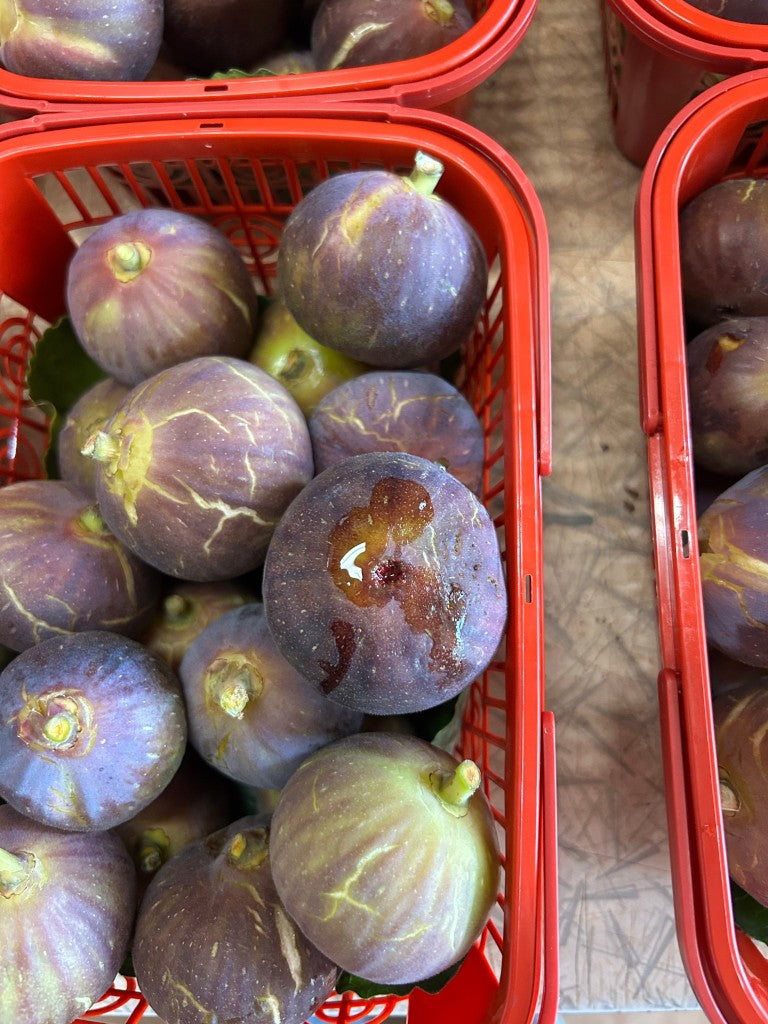
A fig stops getting sweeter the moment it leaves the tree, so we wait: until the fruit turns from green to purple, hangs soft and heavy, and splits at the top with a bead of nectar. Figs like that don't keep long, but those few days are when they taste best.
Our hens roam under the trees, eating grass and bugs, scratching the soil and fertilising as they go. We don't use synthetic pesticides or fertilisers, so the figs vary in size and shape — but break one open and the centre is red and honey-sweet.
- Season: roughly March to May, depending on what ripens each week
- Price: $20/kg — the same for delivery, farm pick-up or picking your own
- How to buy: choose "Fresh figs" and we pick them for you (delivery around Melbourne's east, or collect from the farm); choose "Pick your own" to come and pick, weighed as you leave
Once they're home
- Ripe figs are delicate — best eaten within 1–2 days
- To keep them, lay them in a single layer in the fridge and let them come to room temperature before eating
- Extras can be cut up and frozen for smoothies or baking



How we grow
Everything here is grown the same way

Growing the taste you remember
Supermarket fruit keeps getting bigger and prettier, yet somehow it has lost its fragrance and depth. To boost yields and survive long transport, synthetic fertilisers and sprays have become the norm.
What we want to grow is the taste you remember from childhood: fruit picked only once it's ripe on the branch, there when the season comes and gone until next year.

A little slower, a little harder
Farming without chemical pesticides or synthetic fertilisers means:
- Lower yields, and fruit of uneven sizes
- Weeding by hand instead of with herbicides
- Much more care to keep pests and disease away
- Higher costs – but food you can trust

How we look after the soil
Good fruit starts with good soil. We use only natural fertilisers:
- Wood ash: from the farm's own fallen branches and leaves, for potassium
- Sheep manure: from a nearby grazing property, fully composted before use
- Compost: fruit peels, vegetable scraps and chicken manure, slowly composted on the farm
- Seaweed fertiliser: for trace elements
Stay in touch
Be the first to know when it's ripe
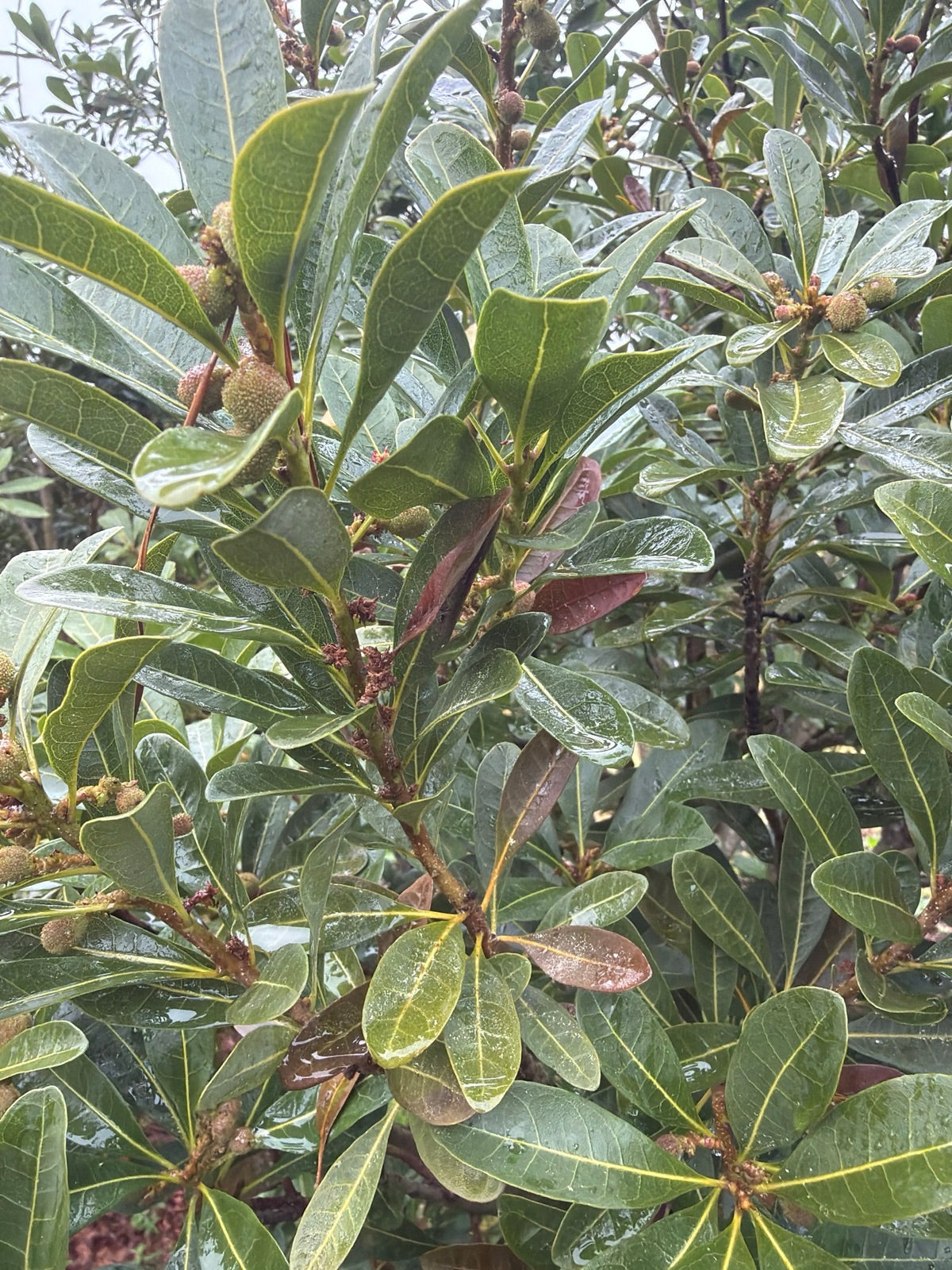
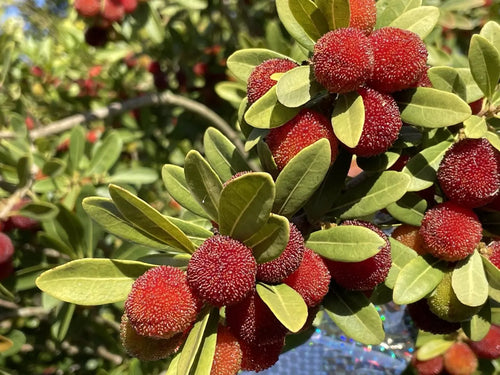
Bayberry picking, fresh figs, eggs back in stock… we only write when there's something good.
Unsubscribe any time.